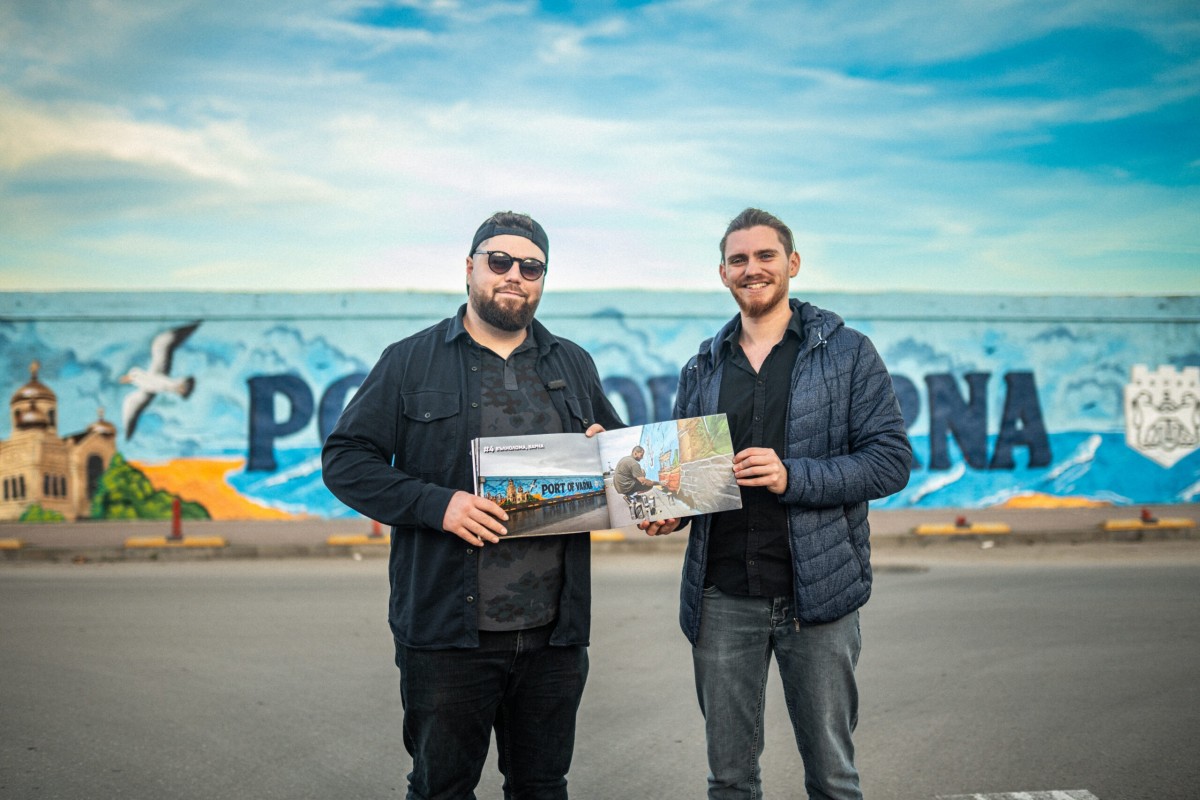
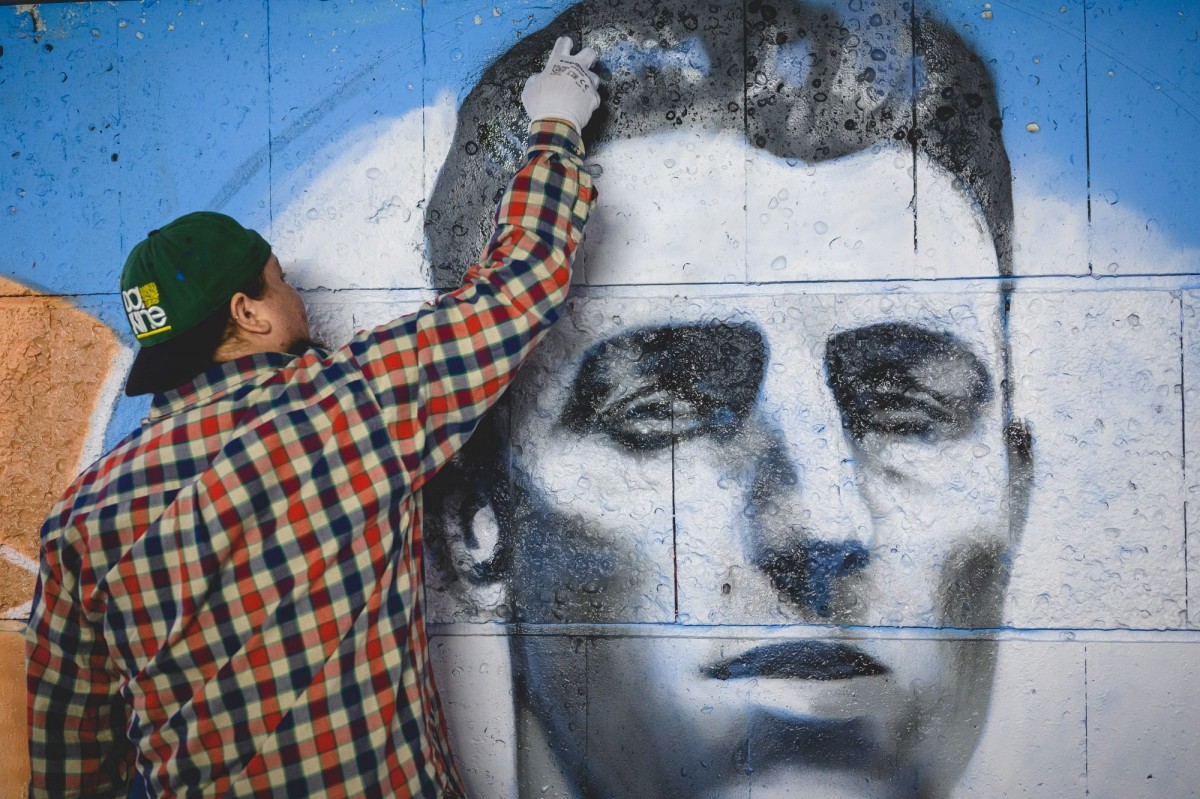
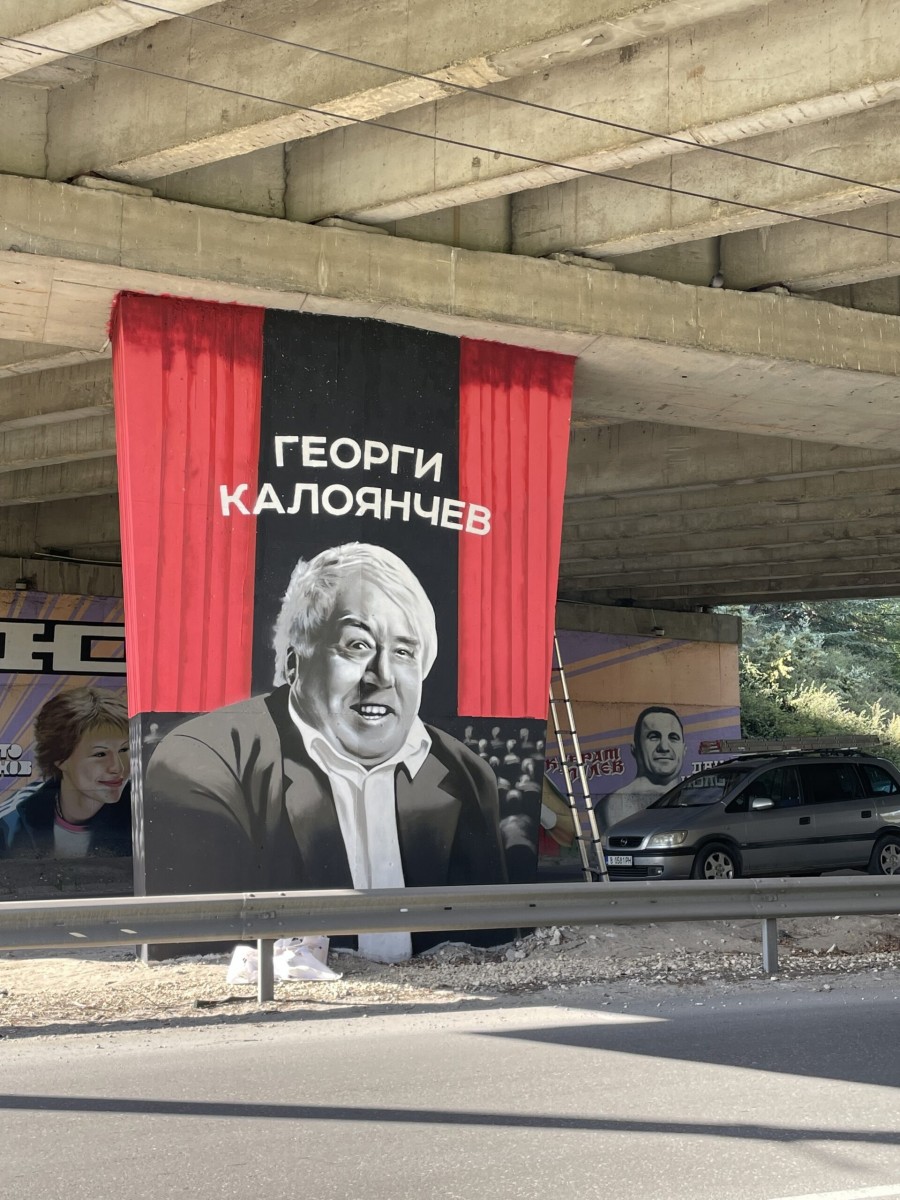
How does street art transform the urban environment and turn familiar places into new landmarks? We talk to Nikolay Chakarov, Founder and Creative Director, and Radoslav Mavrodiev, Co-founder and Marketing Director of The Graffs, about the development of graffiti culture in Varna, the projects they have brought to life, and the potential of street art as part of the city's contemporary tourist appeal.
Answered by: Nikolay Chakarov

Our story began on the streets - with the first walls, where letters mattered more than sleep and ideas were bigger than the budget. For years, I painted simply because I couldn't not paint. Then came the first commissions, and with them, the first real sense of responsibility: you are no longer painting just for yourself, but for someone who has entrusted you with their wall.
The turning point came when Rado and I joined forces. I brought hands-on experience and a creative vision, while he brought structure, business skills and marketing expertise. That's how passion met organisation. Gradually, a team of more than ten artists came together around us, each with their own distinctive style and years of experience.
Today, we have projects across Bulgaria and work with dozens of municipalities. What helped us get here? Three things - discipline, teamwork and the fact that we have never stopped growing and taking initiative. Art that started on the streets can reach every corner of the world when it is backed by hard work, vision and the right people. And it all started in Varna - a city we always return to.
Answered by: Radoslav Mavrodiev

The change has been enormous. Until just a few years ago, the word "graffiti" was immediately associated with scribbled writing and vandalism. Today, municipalities, schools, kindergartens, hotels and major brands are approaching us themselves because they see that a well-planned mural makes a place more beautiful, safer and more recognisable. People can now distinguish between random scribbling and professional street art with a clear concept and message.
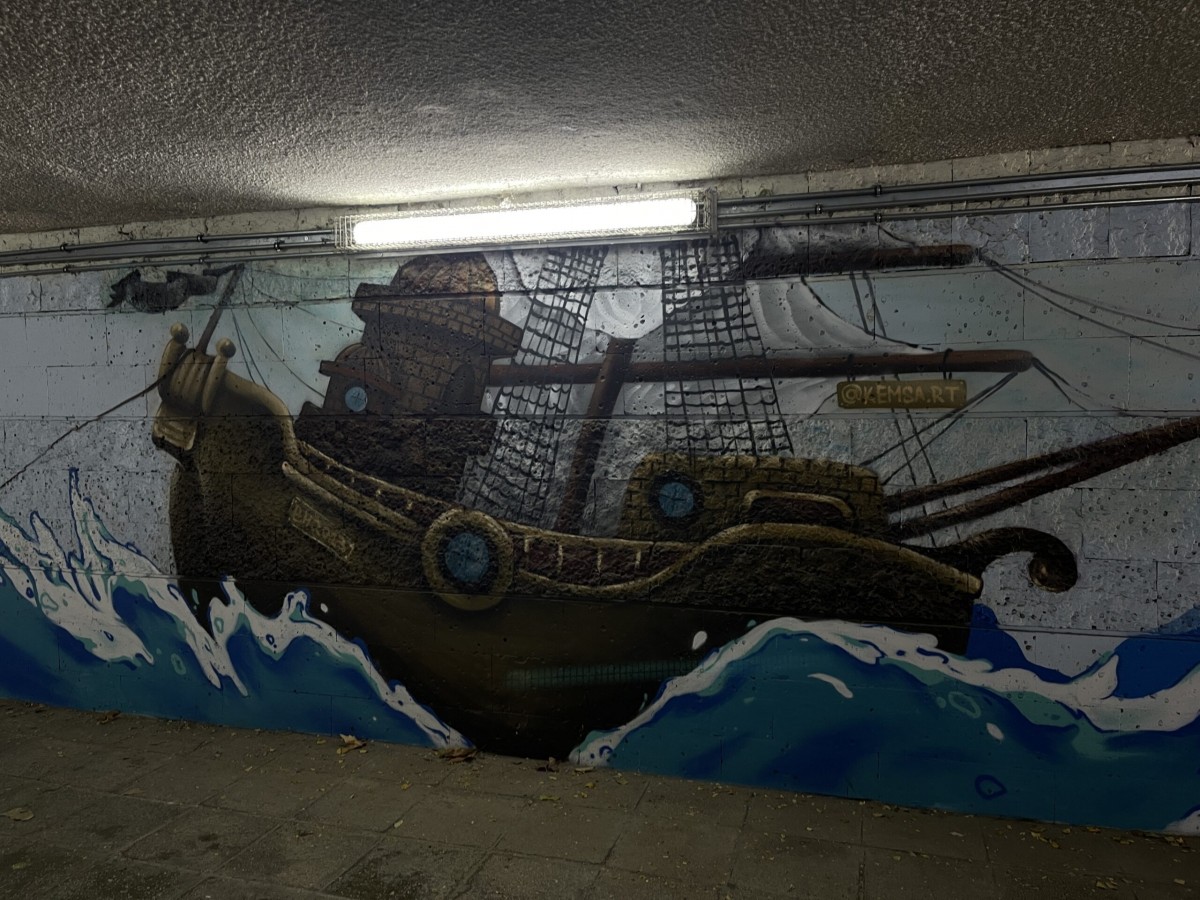
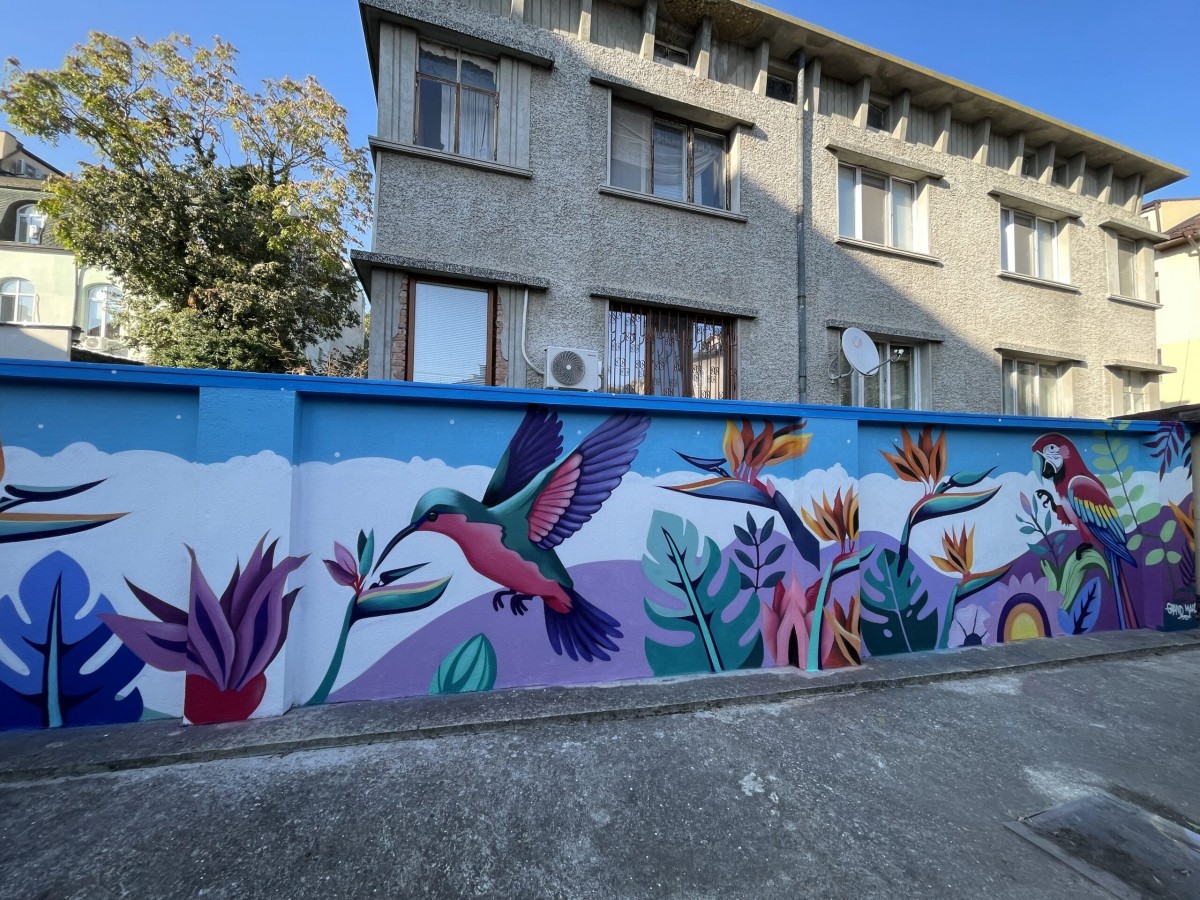
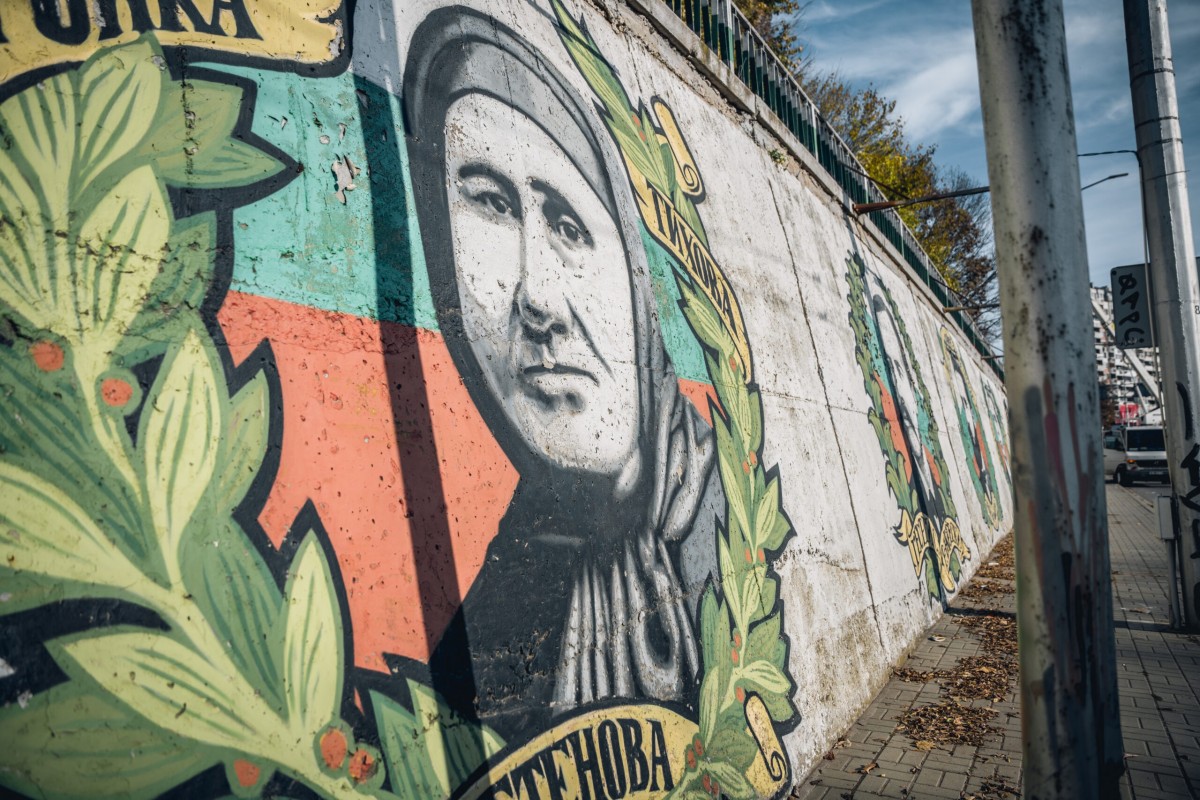
In my opinion, Varna is among the leaders in this process. Here, institutions have shown that they are not afraid of bold decisions. We have painted several underpasses, an overpass, several schools, the columns of the Asparuhov Bridge, the breakwater at the Port (Passenger Terminal), the Regional Administration building, the Regional Library and, of course, dozens of private projects. These are places passed by tens of thousands of people every day. When a city itself puts its trust in street art, it sends a powerful message: we want to see more beautiful graffiti, not vandalism and random scribbles...
Varna has everything it takes to become the capital of street art in Bulgaria and even in Europe - the sea, the light, young people and our team of artists who live here.
Answered by: Nikolay Chakarov
There's no secret to it, but the truth is that we're all friends. We know each other inside out, understand each other with just a glance, and everyone knows the other person's strengths and weaknesses. This atmosphere is reflected in the end result - in the details, the energy, our speed and the way the space looks after we've worked on it.
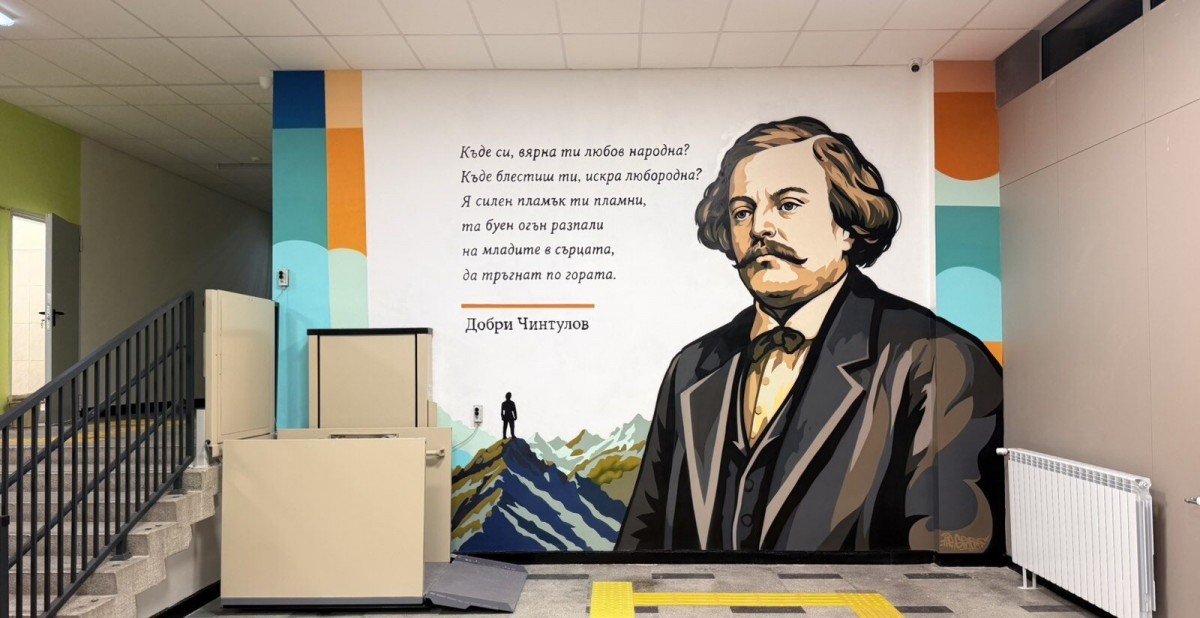
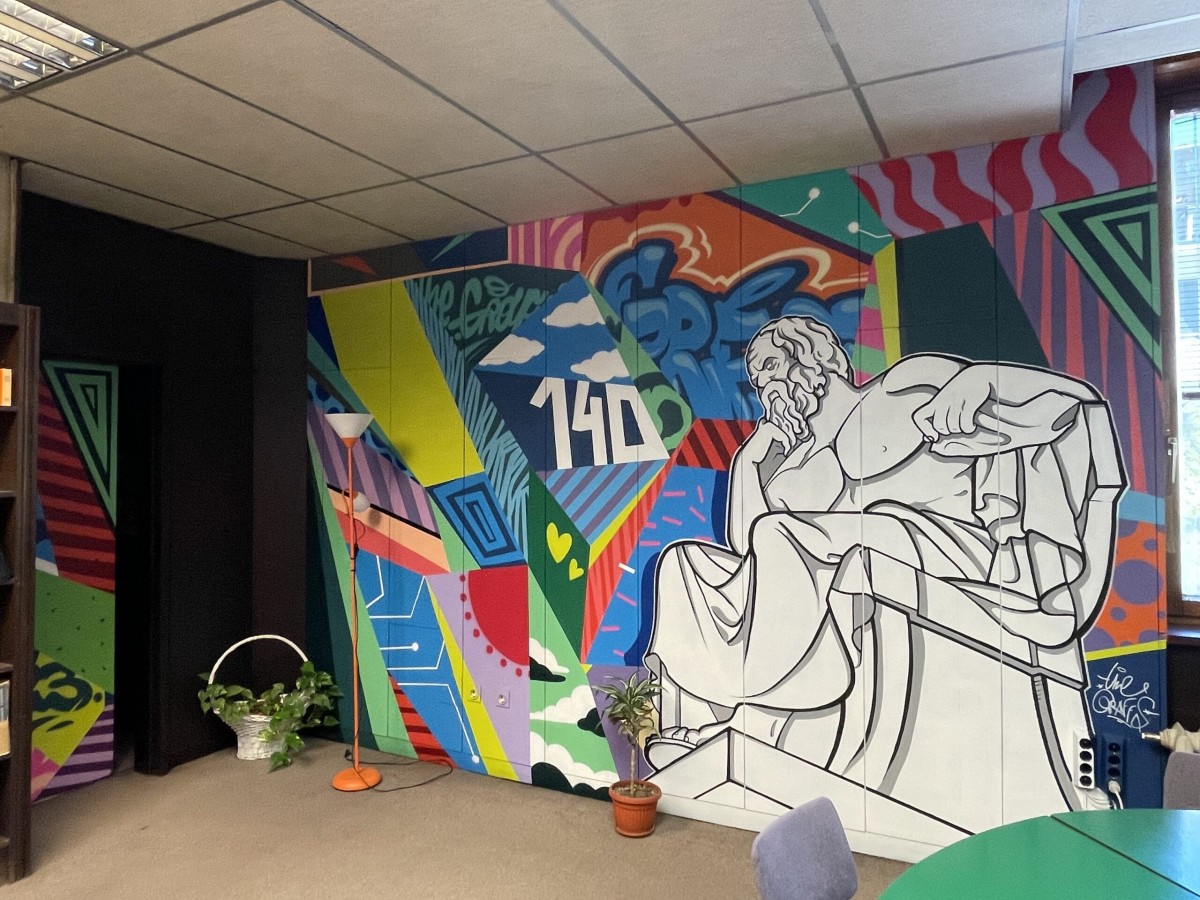
Our team brings together a variety of artistic styles - portraiture and photorealism, illustrative and fairytale-inspired compositions, classic graffiti lettering, abstract art, pop art and more. For each project, we select the artists whose style best matches the idea, the location and the audience. A kindergarten calls for one approach, while portraits of historical figures require something entirely different.
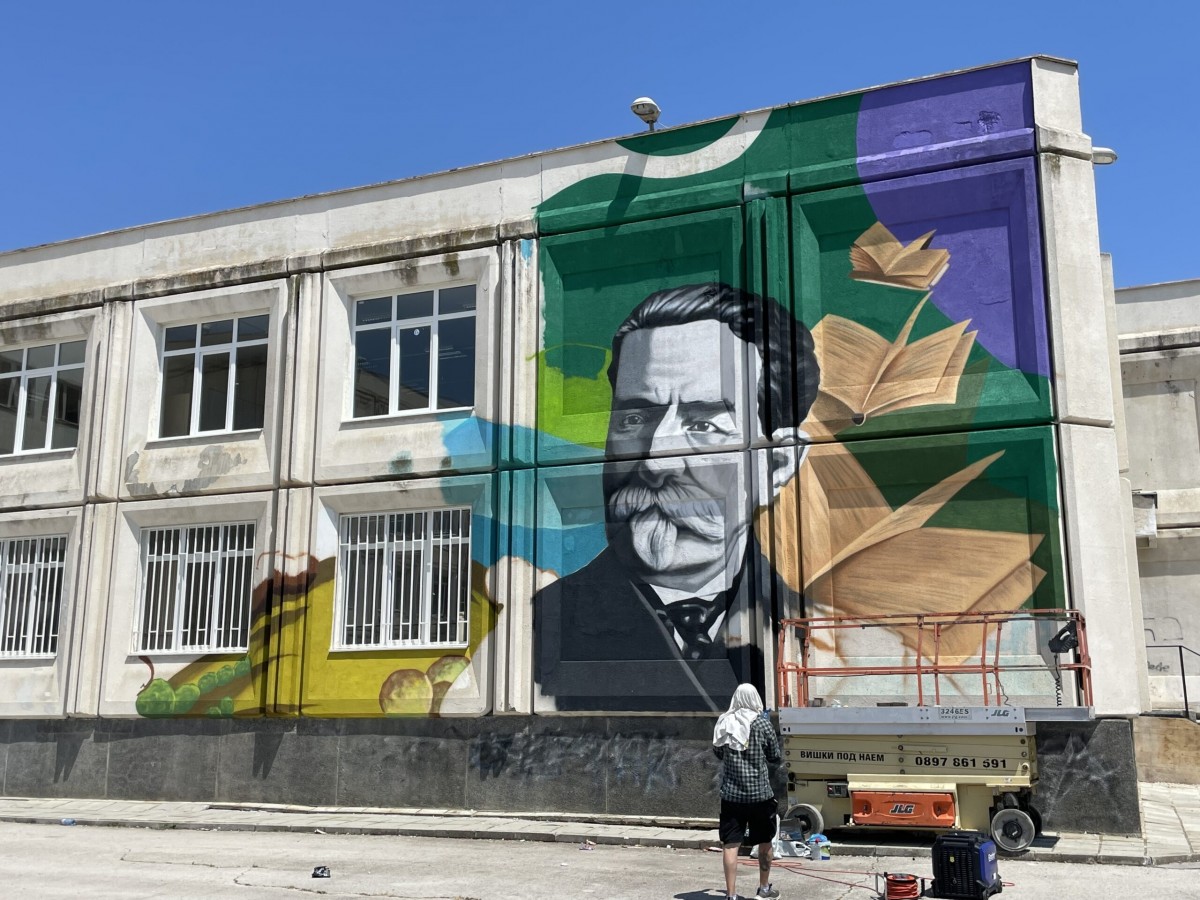
The shared vision takes shape during the concept development stage: we discuss it together, agree on it with the client, and then the artists get to work. And the scale of the projects no longer intimidates us: with our own aerial work platform and a well-coordinated team, what might take a single artist months to complete becomes a project we can finish in just a few days.
Answered by: Radoslav Mavrodiev
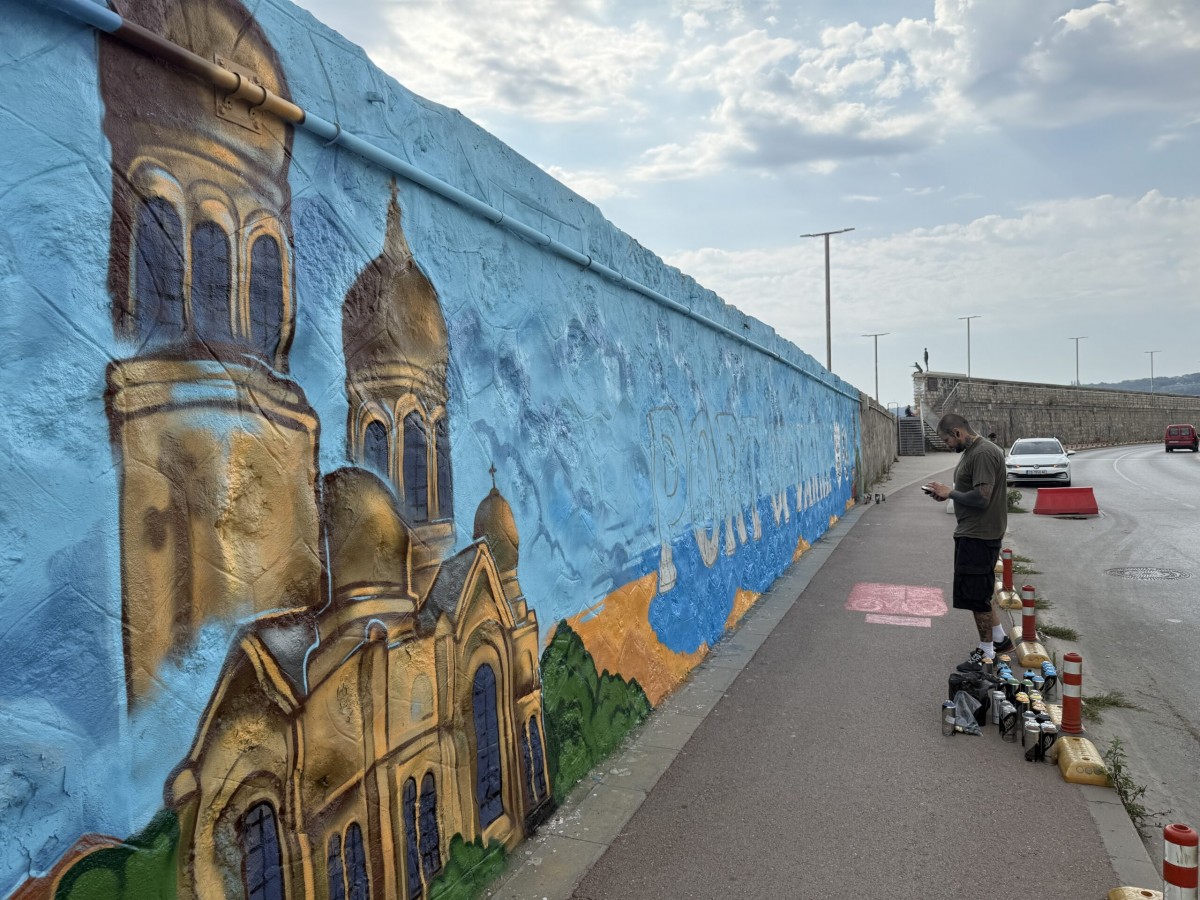
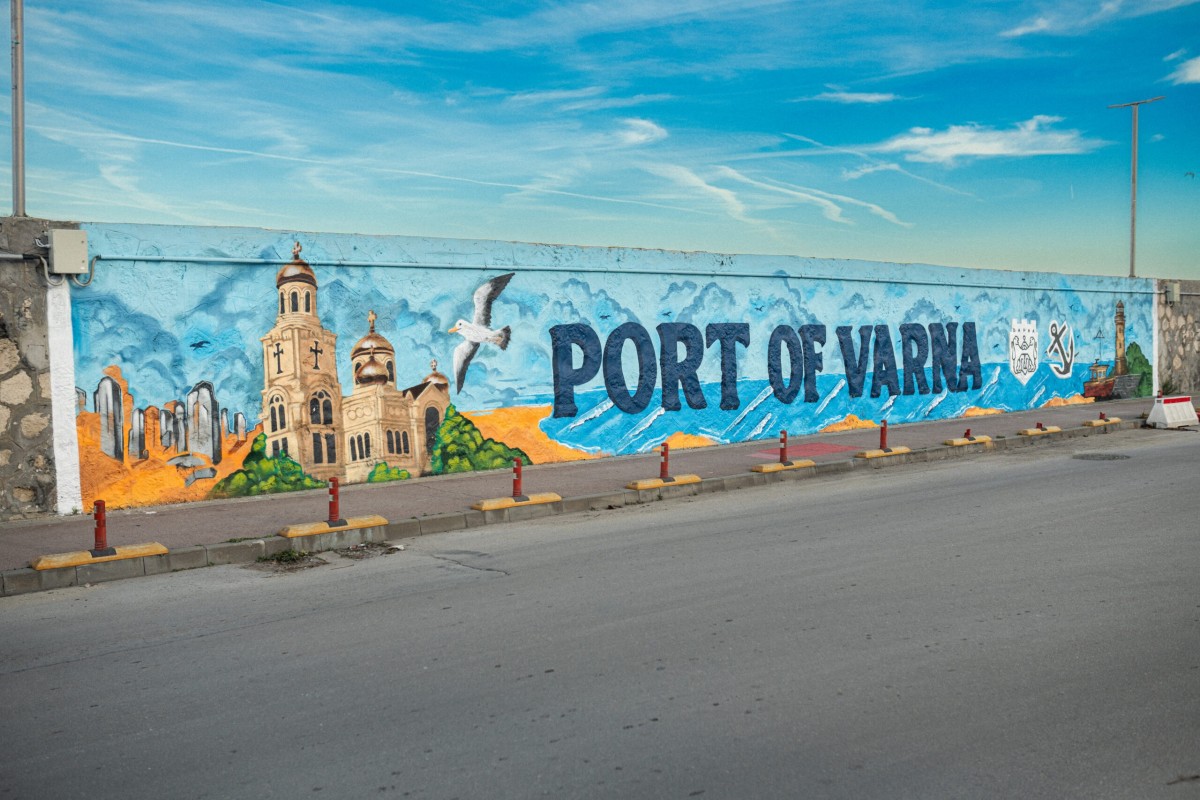
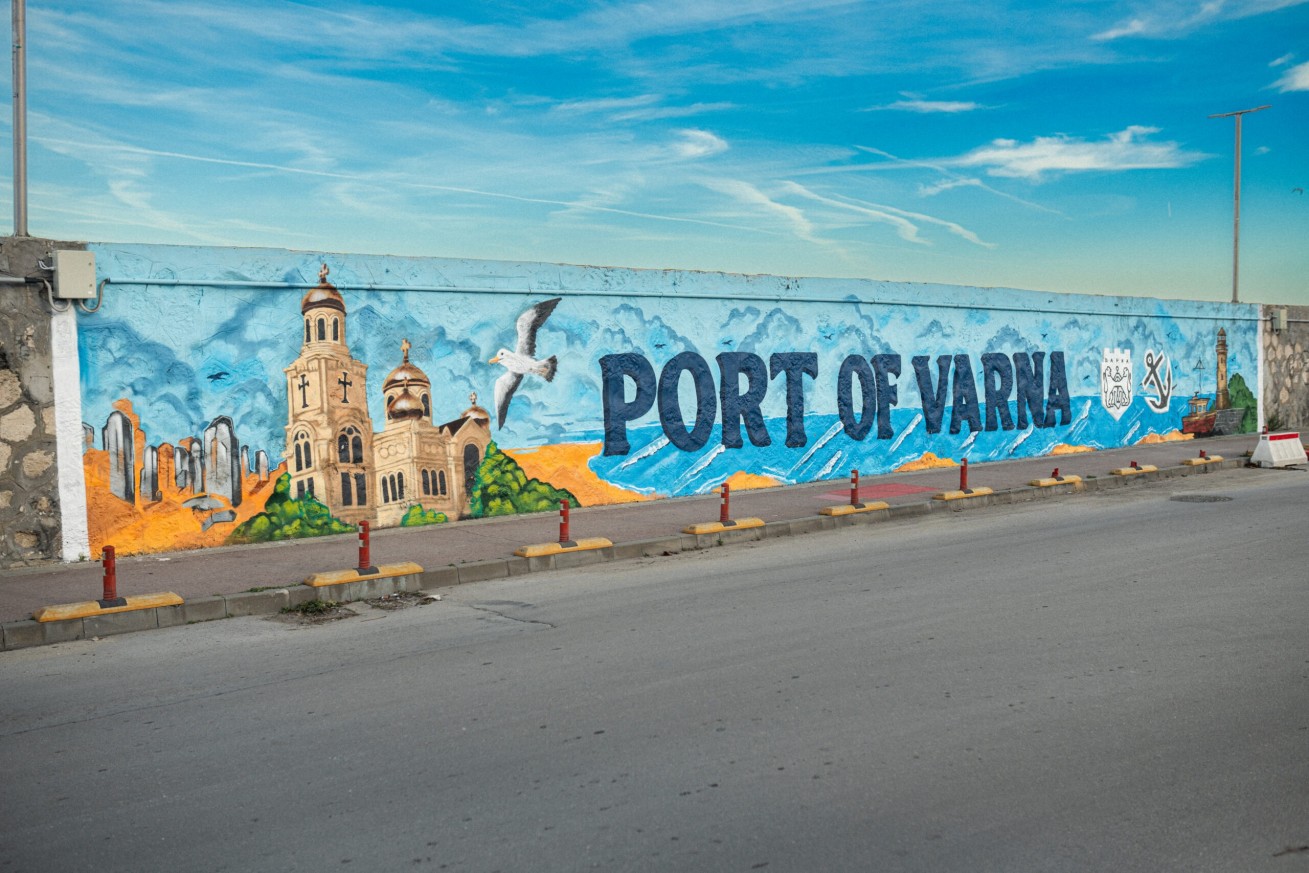
It's hard to choose - every wall has its own story. If I had to single out one, it would be the breakwater with the "Port of Varna" lettering at the Port (Passenger Terminal). It is the first thing people see when arriving in the city by sea, and the last thing they take picture of before leaving. In a very short time, it has become one of Varna's recognisable landmarks - a place where people stop, take photos and share them with the world. That is precisely the power of street art: turning a concrete wall into a calling card for the city.
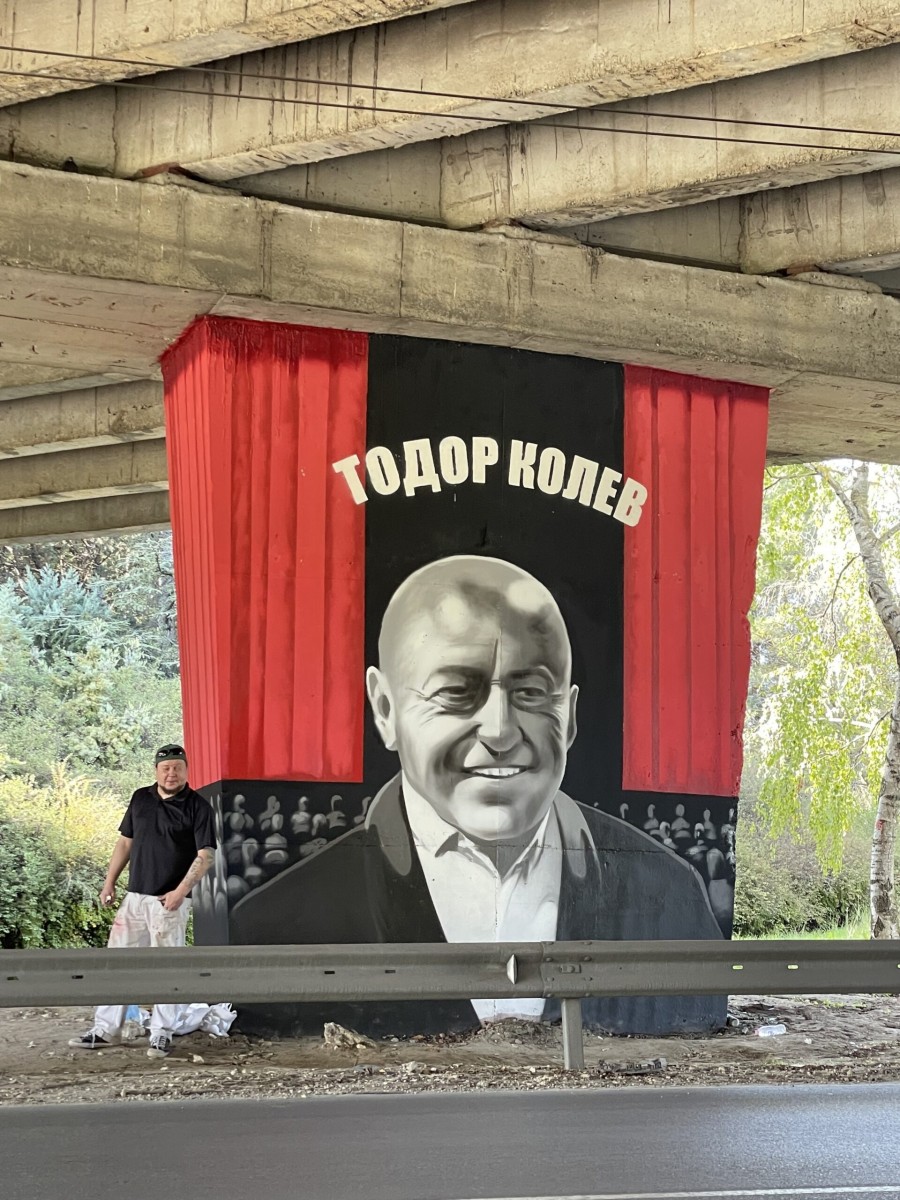
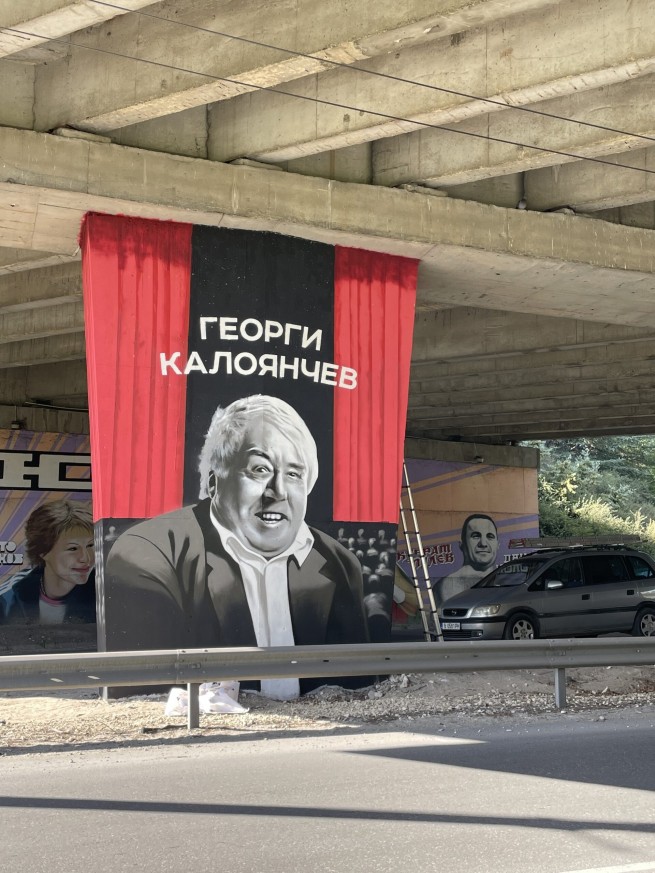
The columns of Asparuhov Bridge are also very special to us, with their portraits of Todor Kolev, Georgi Kaloyanchev, Stoyanka Mutafova, Tatyana Lolova and Georgi Parzalev. People get out of their cars to take pictures with their favourite actors, while older generations tell children who these figures were. When a wall brings generations together in conversation, you know you've created something meaningful.
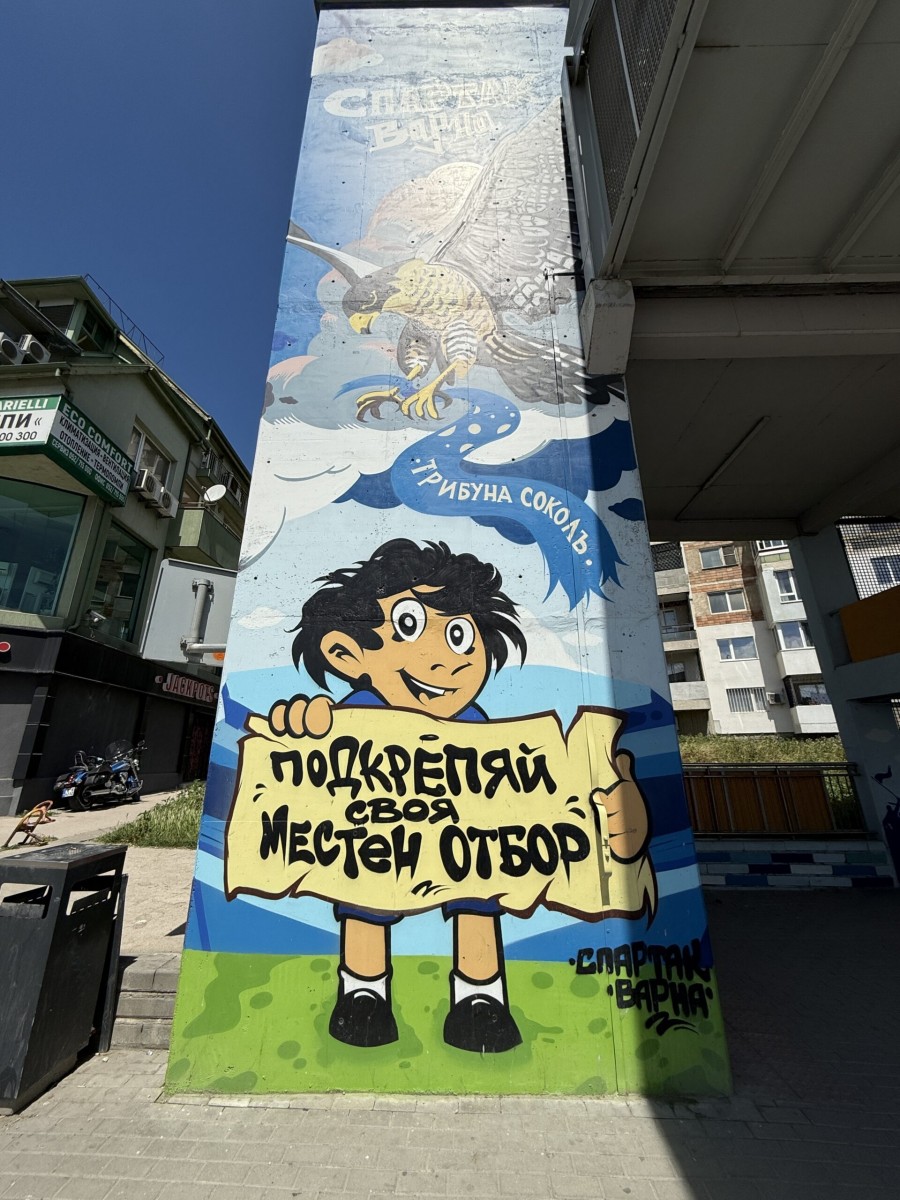
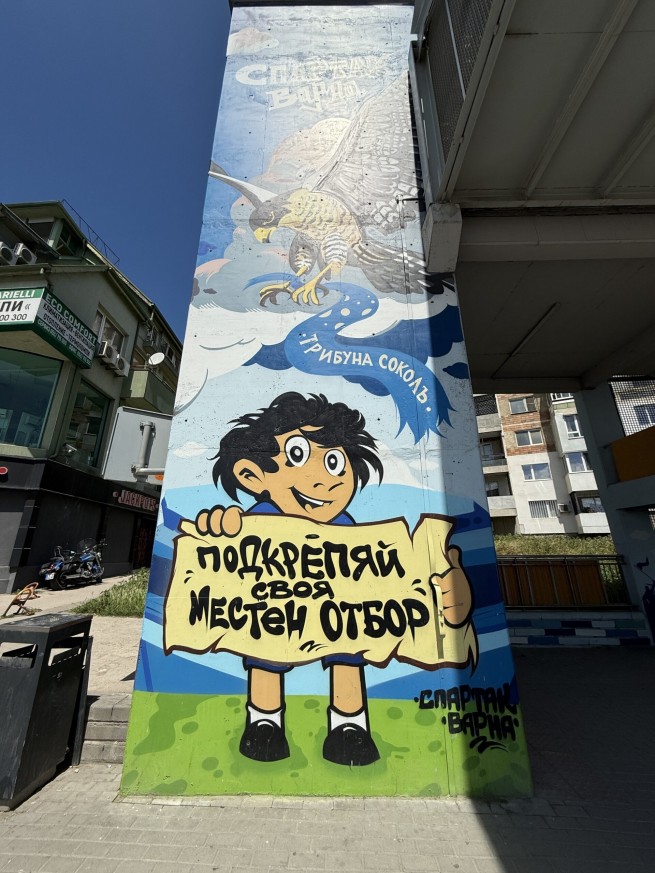
And last but not least, there is the overpass near Spartak - the only painted overpass in Bulgaria, realised at the initiative of Varna Municipality and FC Spartak.
Answered by: Nikolay Chakarov
Every place has its own story - we simply bring it to the surface. Before we start, we always ask ourselves: who passes by this place, what does it mean to the people, and what do we want them to feel when they see it?
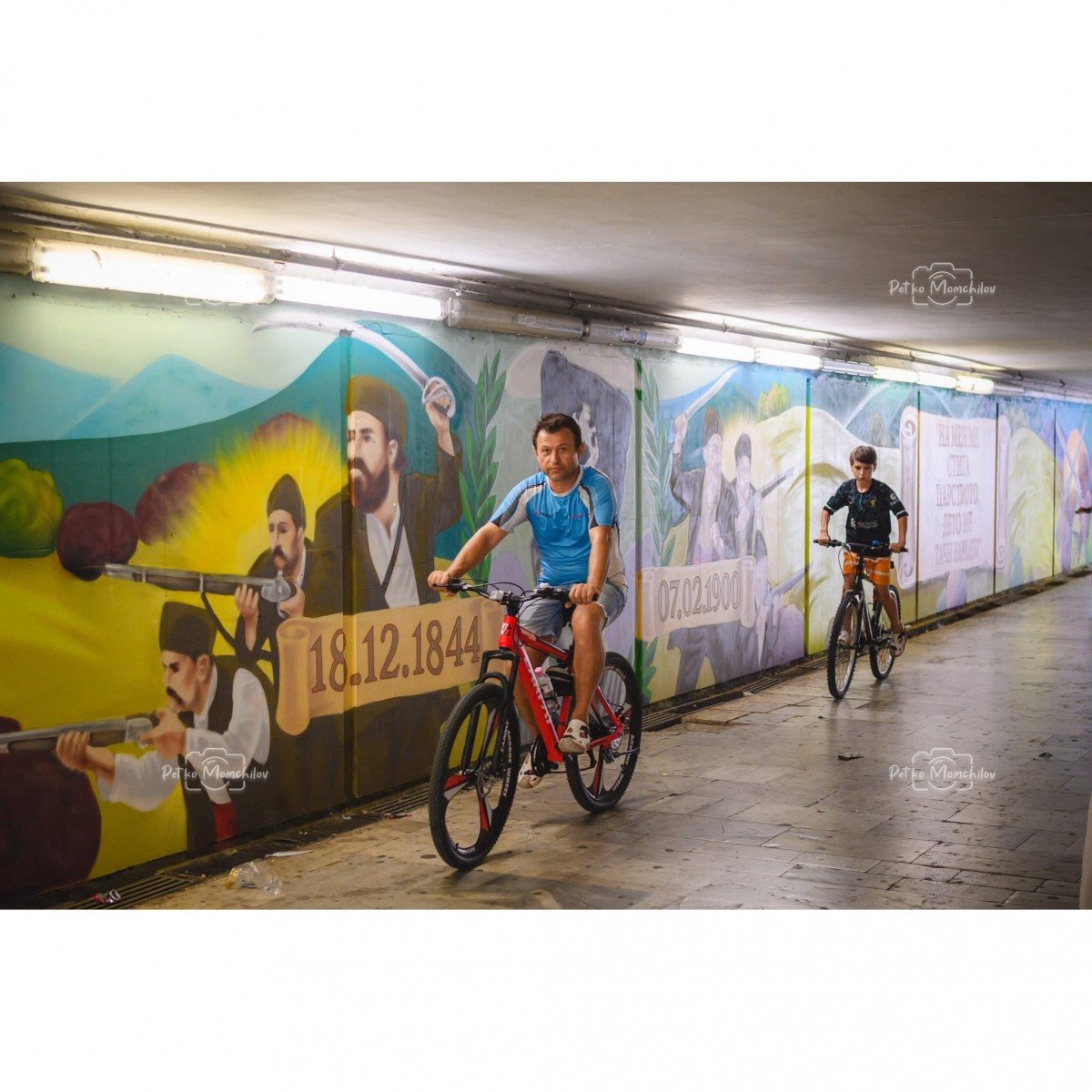
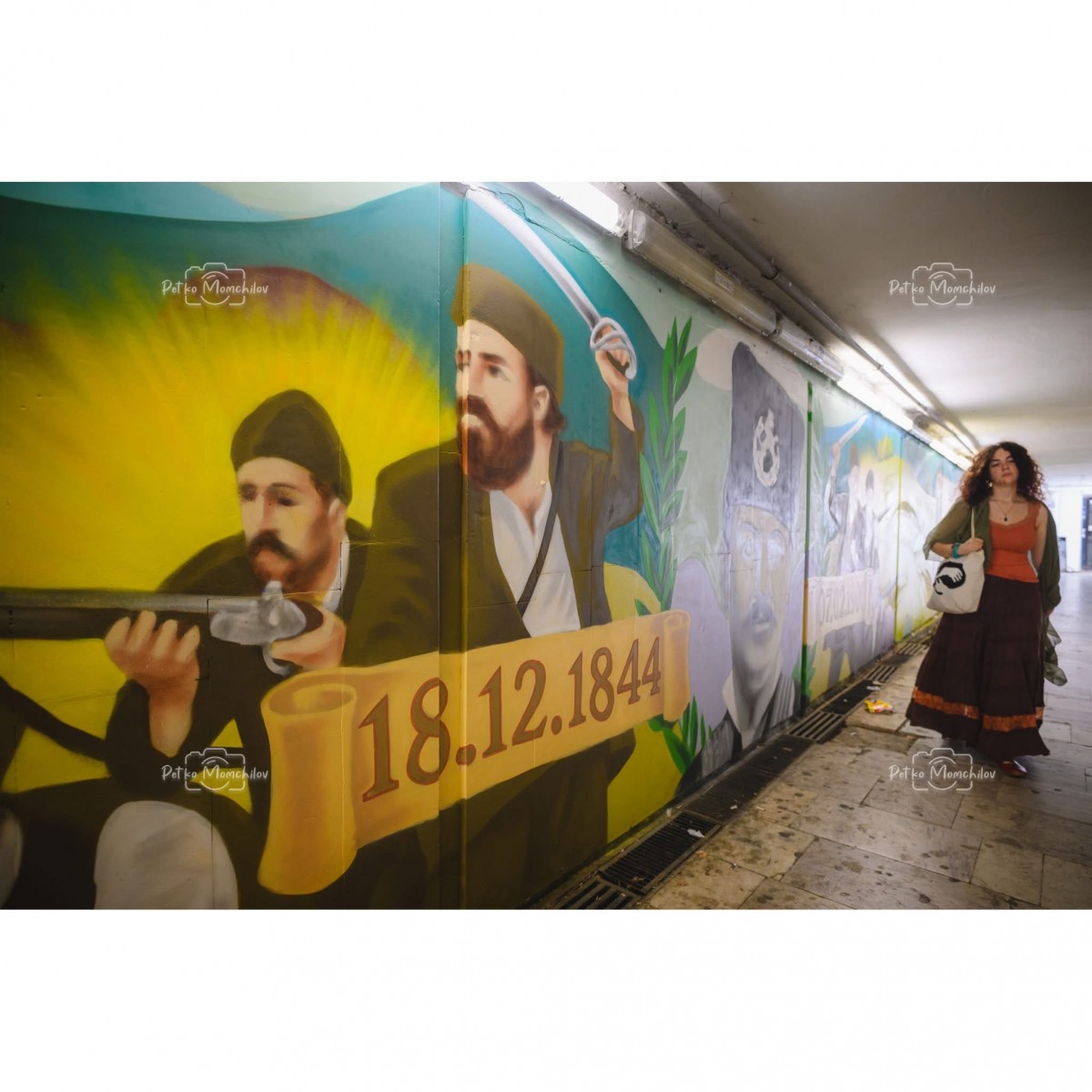
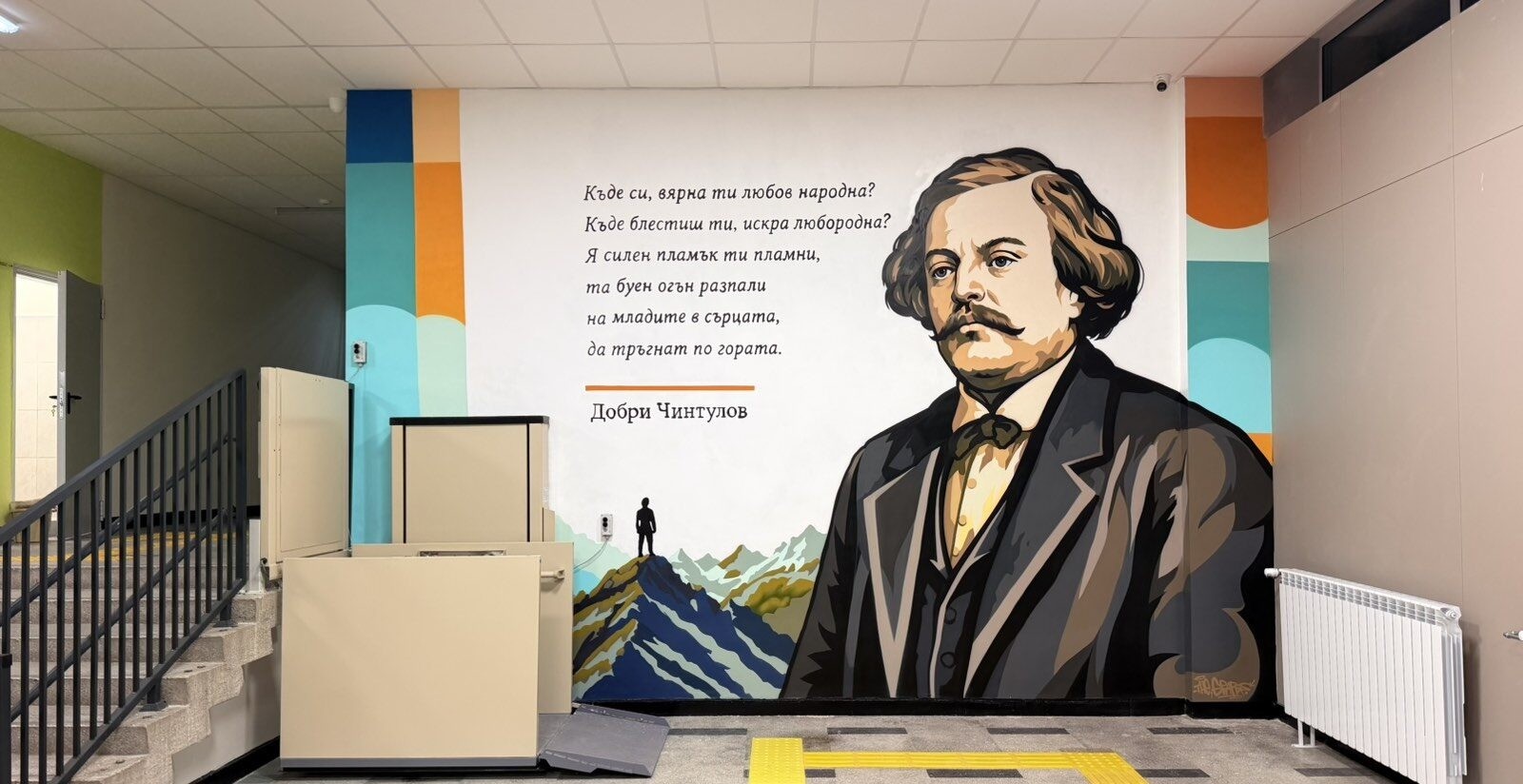
Sometimes the answer is obvious. In the underpass at Trakia, we portrayed Captain Petko Voyvoda because history and memory are part of the area's identity. The Thracian Society is located right there. On Asparuhov Bridge, we painted some of Bulgaria's greatest actors, who have a special place in the hearts of generations of Varna residents. At the Port (Passenger Terminal), we portrayed the city itself: the cathedral, the sea and the seagulls. In schools, we often paint portraits of their patron figures, so that children pass by every day the person whose name their school bears and begin to take an interest in who that person was.
We work together with the Municipality, schools and local residents because they know the place best. Our task is to turn an idea into an image that is beautiful, easy to understand and stands the test of time. A portrait must be accurate, but it must also have a soul - otherwise, it's just a sketch on a wall.
Answered by: Radoslav Mavrodiev
municipalities, schools, kindergartens and businesses. We have worked with Varna Municipality, Ruse Municipality, Shumen Municipality and dozens of educational institutions. But just as often, we are the ones who take the initiative. We walk around the city, spot a grey wall, an underpass or a utility building, and say to ourselves: "This could become something beautiful". Then we prepare a visualisation, present it to the owner or the relevant institution, and start a conversation.
The process is straightforward: an on-site inspection, concept development and visualisation, approval, and then implementation - using professional materials, protective coatings suitable for outdoor conditions and our own aerial work platform for working at height. We know how to work with municipalities, corporations and private clients because each has different requirements.
Our mission is simple - to make Bulgaria more beautiful through art. That's why we also have a personal goal: to paint 100 kindergartens across the country by 2030. We have already completed more than 15. We believe that children who grow up surrounded by colour and art will take care of their city.
Answered by: Radoslav Mavrodiev
The reactions are the best part of what we do. While we're painting, people stop by, bring us coffee, share their memories of the place and take photos. Older ladies thank us because the underpass they walk through every day is no longer dark and frightening. Children choose their favourite character from the wall. And once a project is complete, it takes on a life of its own on social media - thousands of photos, shares and comments. Our projects reach audiences all across Bulgaria through social media, and we see the support of millions of Bulgarians...
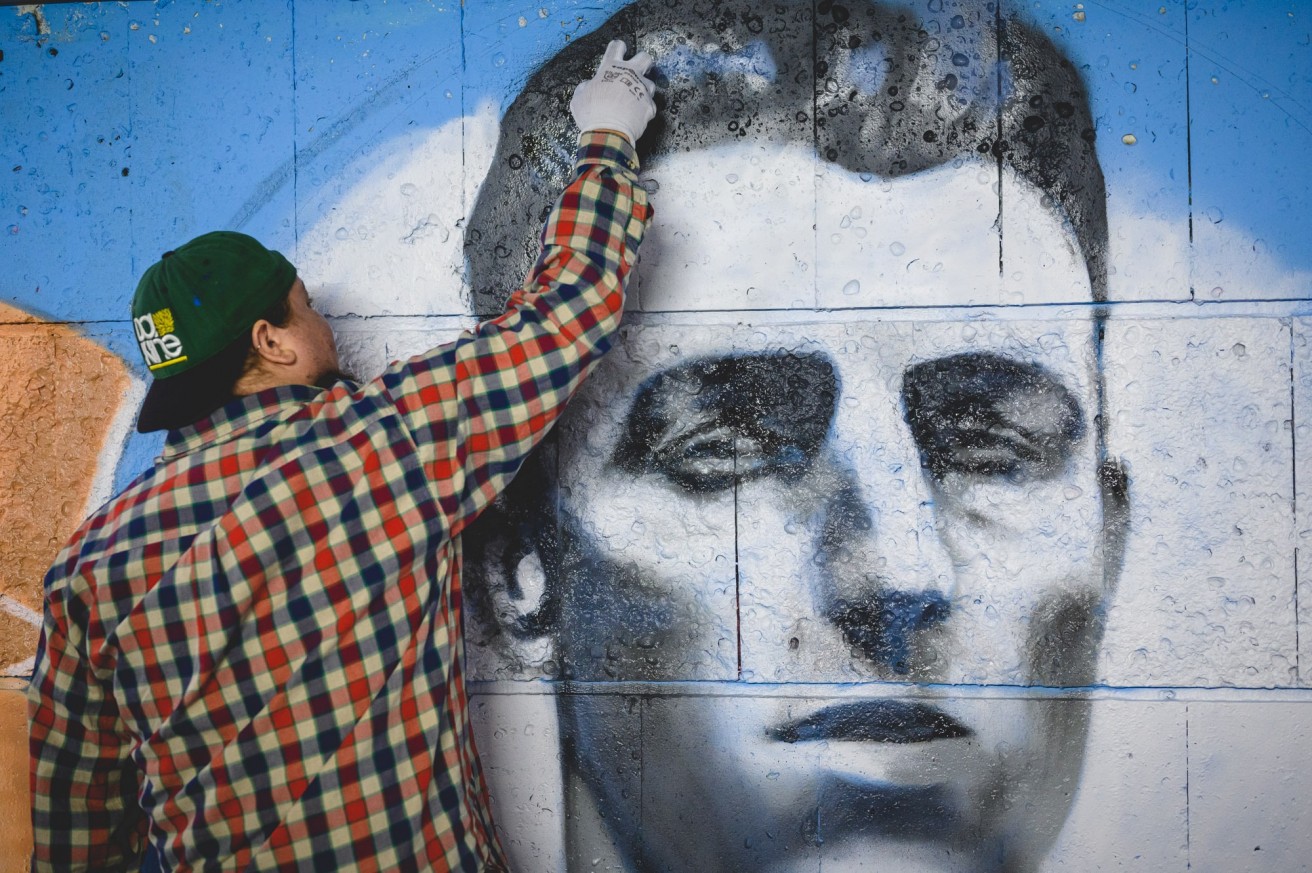
I absolutely believe that street art can become part of Varna's tourist appeal. Cities such as Lisbon, Berlin and Melbourne attract visitors precisely because of their graffiti and street art routes. Varna has everything it needs to do the same - there are already dozens of impressive murals scattered throughout the city.
The next step could be a street art route in Varna - with a map, a short story about each mural and a QR code linking to it. This way, tourists who come for the sea will also discover another side of the city - vibrant, colourful and contemporary. We would be delighted to work together with Varna Municipality to bring such an idea to life.
Answered by: Nikolay Chakarov
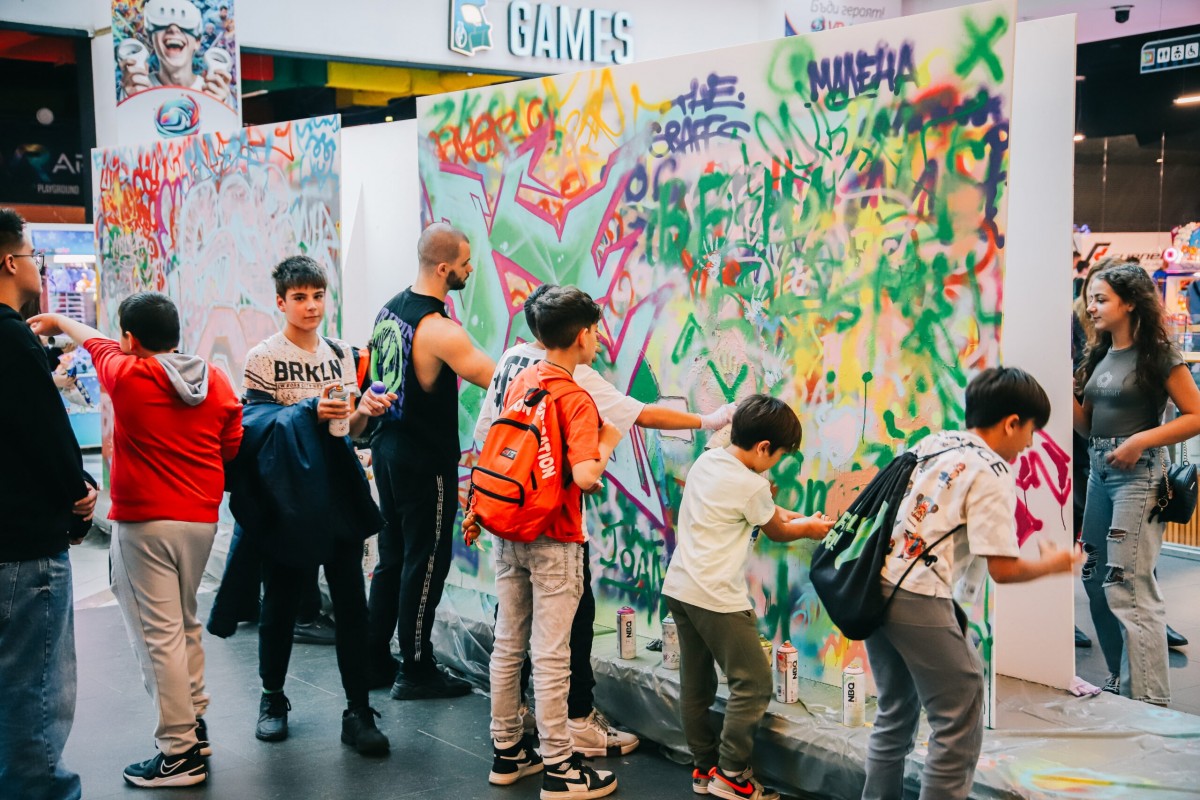
There are many talented young people in Varna - we meet them at our workshops, in schools and at events. At the Graffiti Fest at Grand Mall Varna, dozens of children picked up a spray can for the first time under our guidance, and we saw their eyes light up. That's exactly how we started, too.
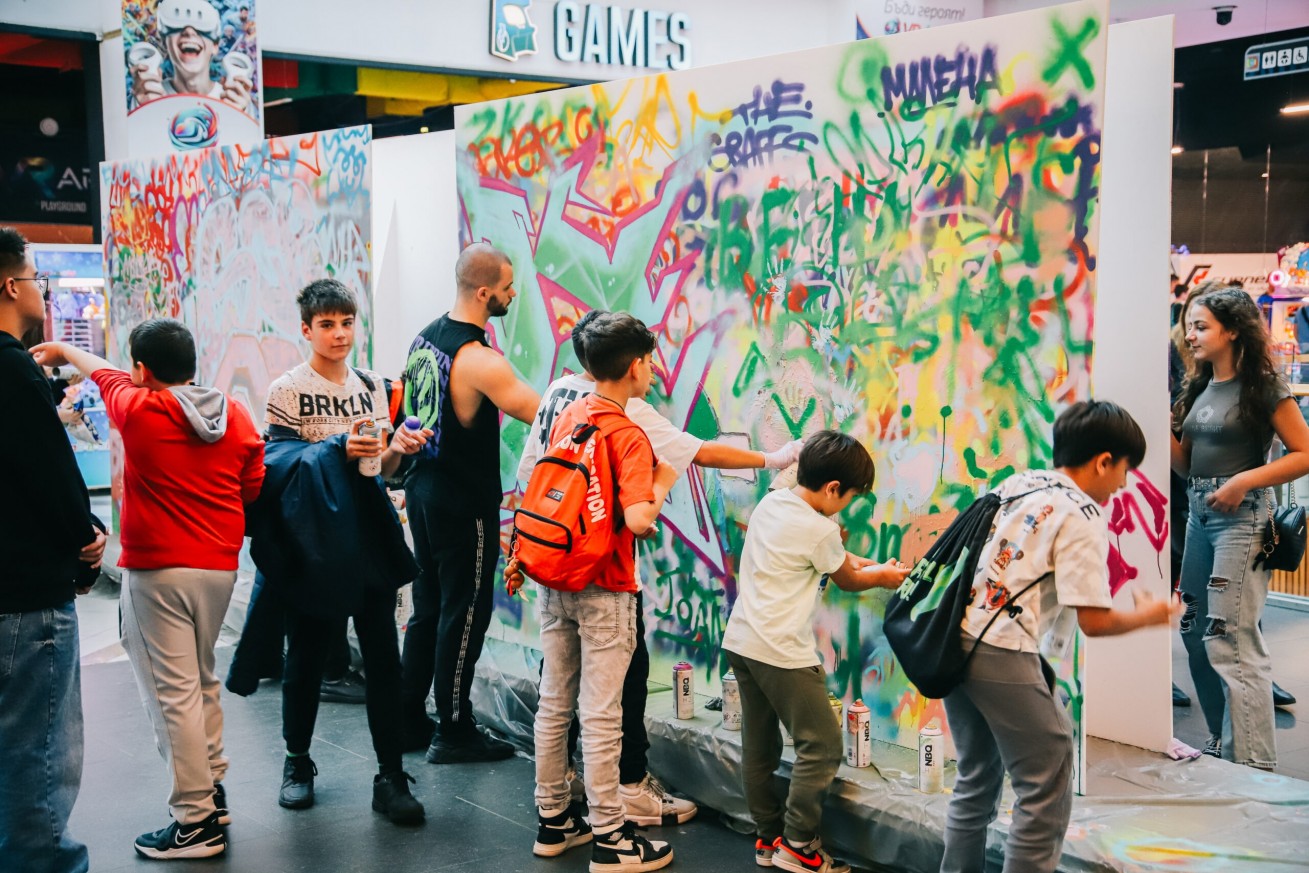
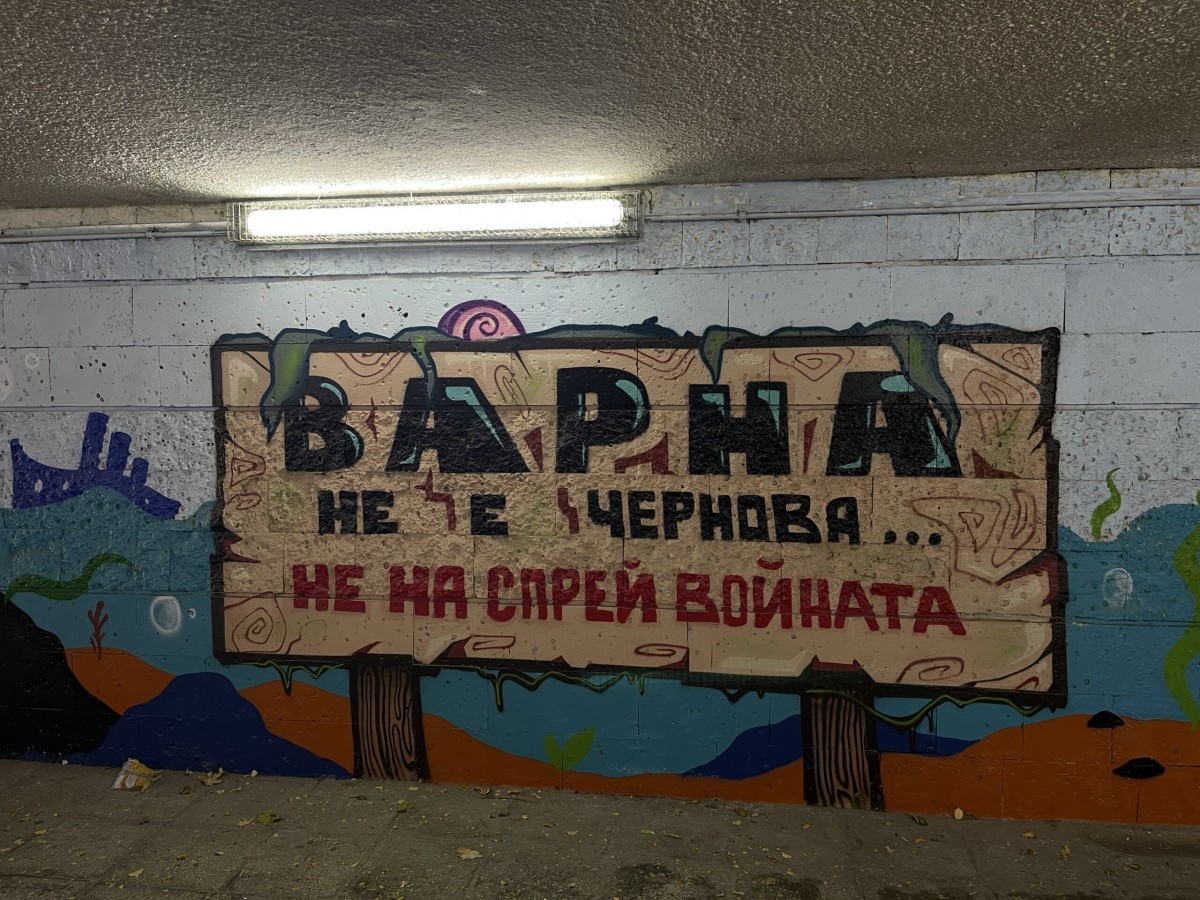
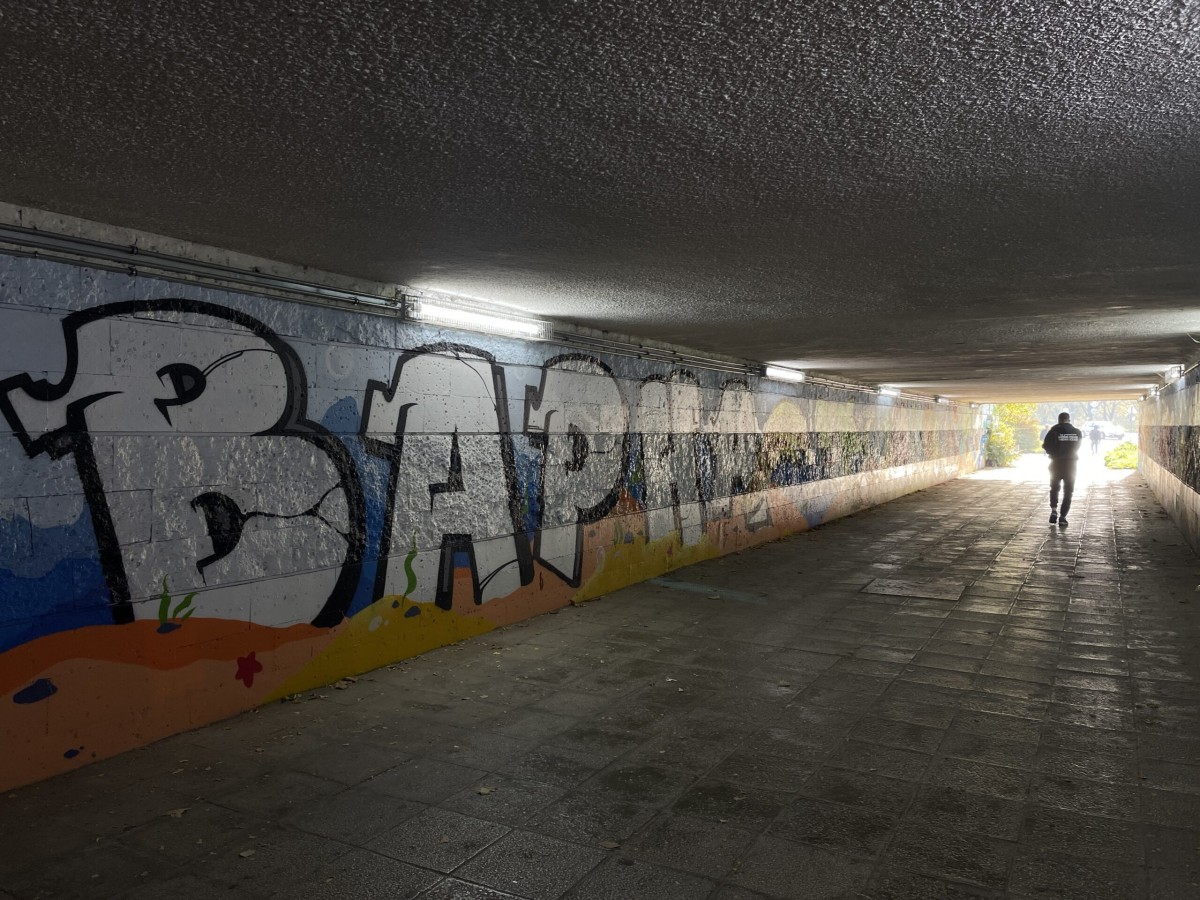
The most important thing I tell every beginner is this: paint as much as you can, draw on paper, paint on legal walls, find your own style and respect other people's work. Graffiti is a craft - it takes patience, technique and character. You don't have to paint illegally to be a true artist. That's why, in the "Morsko dano" underpass, we wrote: "Varna is not a draft… Say no to spray-paint war!" - we wanted to make it clear that the city deserves respect.
We are open to the young artists - we are always looking for new people with passion, and we give them the opportunity to work alongside us on real projects. We dream of seeing more legal walls in Varna - designated spaces where young people can practise freely. This is the best way to nurture the next generation of artists and reduce random graffiti on buildings.
Answered by: Nikolay Chakarov
Without hesitation - the industrial silos in the port area or the huge retaining wall along Alleya Parva. It is seen by thousands of Varna residents every day, as well as by every ship. I imagine them as giant canvases dedicated to the sea and Varna's history - from the ancient Varna Gold to the vibrant city it is today.
The largest graffiti artwork in Bulgaria currently covers around 3,600 square metres. With an unlimited budget, we would take it a step further - right here in Varna. The truth is that we could set not just a national record, but a Guinness World Record. But that's a topic for another conversation...
It would be more than just a graffiti artwork - it would be a new landmark, visible from the sea and inspiring people to travel specifically to see it.
And if the budget really were unlimited, we would transform all the city's underpasses into one large underground gallery. Each underpass - a different chapter in the story of Varna, its culture and its people.
Answered by both
Nikolay Chakarov: Home. Sea. Inspiration. This is where I grew up, where I created my first graffiti works, and where I return after every project, no matter how far away it has taken me...
Radoslav Mavrodiev: Freedom. Ambition. Opportunity. Varna is where I was born and where I work and create every day. This is where I started both of my businesses, and I believe we are only just beginning to show the world what we can do...